Kids & Teens Resource Centre (K&TRC), Lead Community-Based Organisation for Ekiti and Ondo States
Safeguarding is sometimes described in policy language: definitions, frameworks, reporting procedures. Those things matter. But in community health and HIV and TB programmes, safeguarding is also about trust, and trust depends on how people are treated in the moments that matter most.
imagine a young person who comes to a support group for help with treatment, or a woman who needs transport money to reach a clinic. If the person who offers that help misuses their position, the harm is not only personal. It can make people stop coming for treatment, stop asking for help, and stop believing that services are there for them.
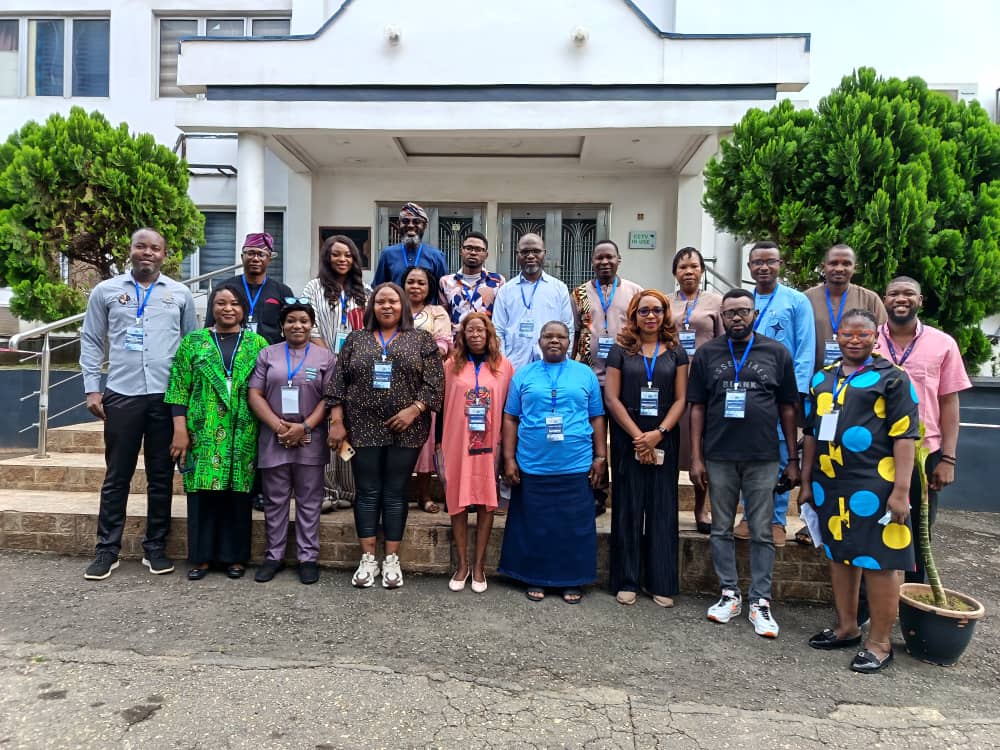
That is why K&TRC took part in the PSEAH Capacity Building and Refresher Session, organised by IHVN through the Global Fund. The session brought together facilitators who combined professional expertise with a clear sense of the human stakes. They did not treat sexual exploitation, abuse and harassment as abstract terms. They asked practical questions: What do we do when someone discloses harm? How do we protect a person’s confidentiality? How do we stop a volunteer’s power from becoming a risk to the clients they serve?
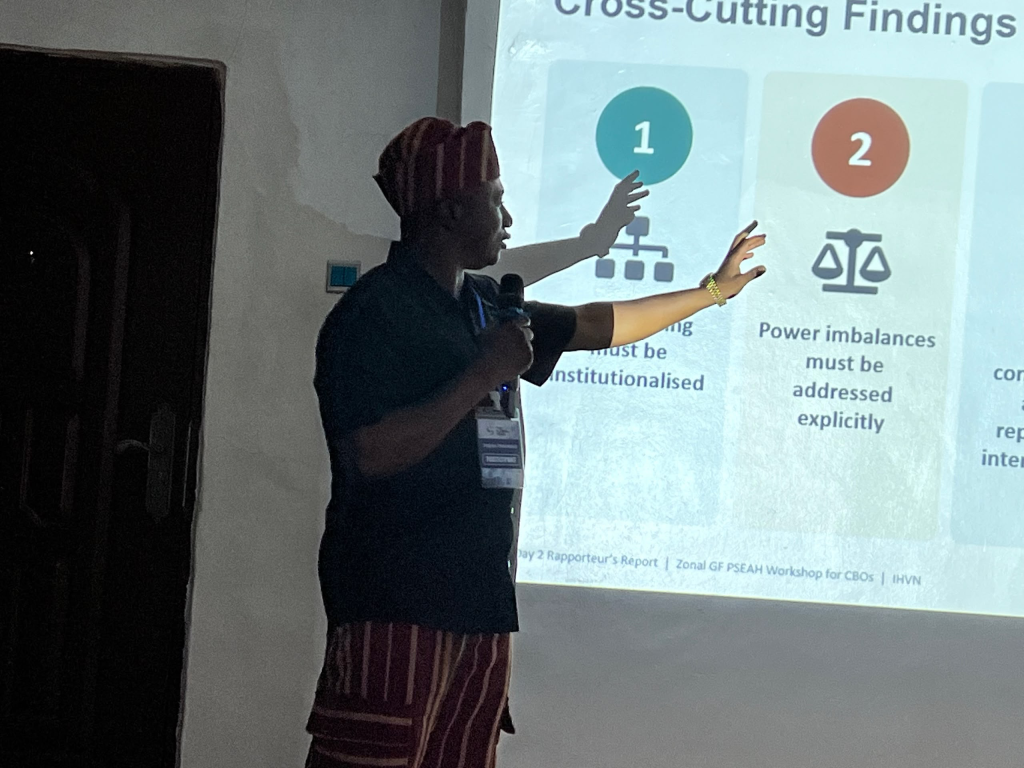
A presentation during the session.
Why does this matter at the community level?
K&TRC is the Lead Community-Based Organisation for Ekiti and Ondo States under the Association for Reproductive and Family Health (ARFH) and Damien Foundation (DFB), both sub-recipients to IHVN.
In practice, this means our work reaches communities directly, through the people who meet clients in outreach, testing, treatment support and referrals.
Those are the people who most need clear and practical safeguarding knowledge:
- Community health workers and treatment supporters, who often visit clients at home.
- Peer educators and adherence supporters, who build trust through close, ongoing contact.
- Volunteers and drivers, who may hold influence over transport or access to services.
- Community leaders, who are often the first people a family turns to.
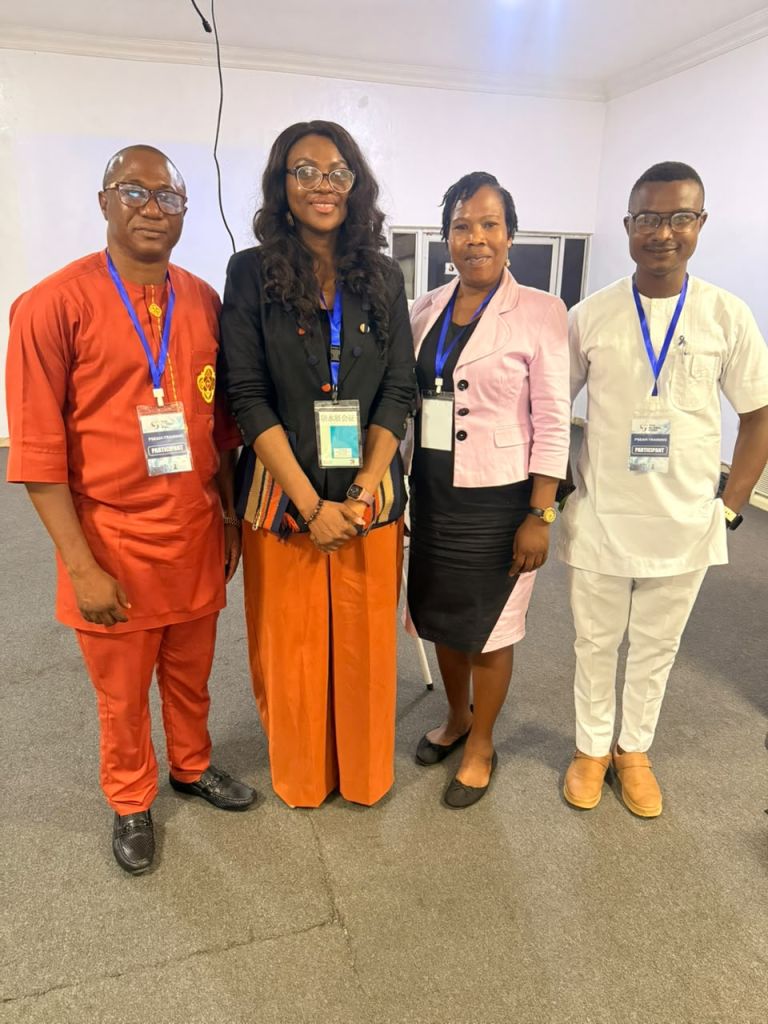
A photograph from the session.
What we left with
The session ended with a practical plan to operationalise PSEAH at every level of implementation. For us, that means turning principles into routines that people can follow:
- Clear boundaries for everyone who works with clients, including what is never acceptable and what needs careful supervision.
- Accessible reporting routes, including alternatives for people who cannot write, who have a disability, or who fear that reporting will cost them their treatment.
- Confidentiality that is honest about its limits, so that people know what is kept private and when information must be shared to protect a child or someone’s life.
- Survivor-centred support, with referrals to services that are verified locally, not assumed to exist.
- Safer programme design, with risk assessments for home visits, transport, and communication with clients.
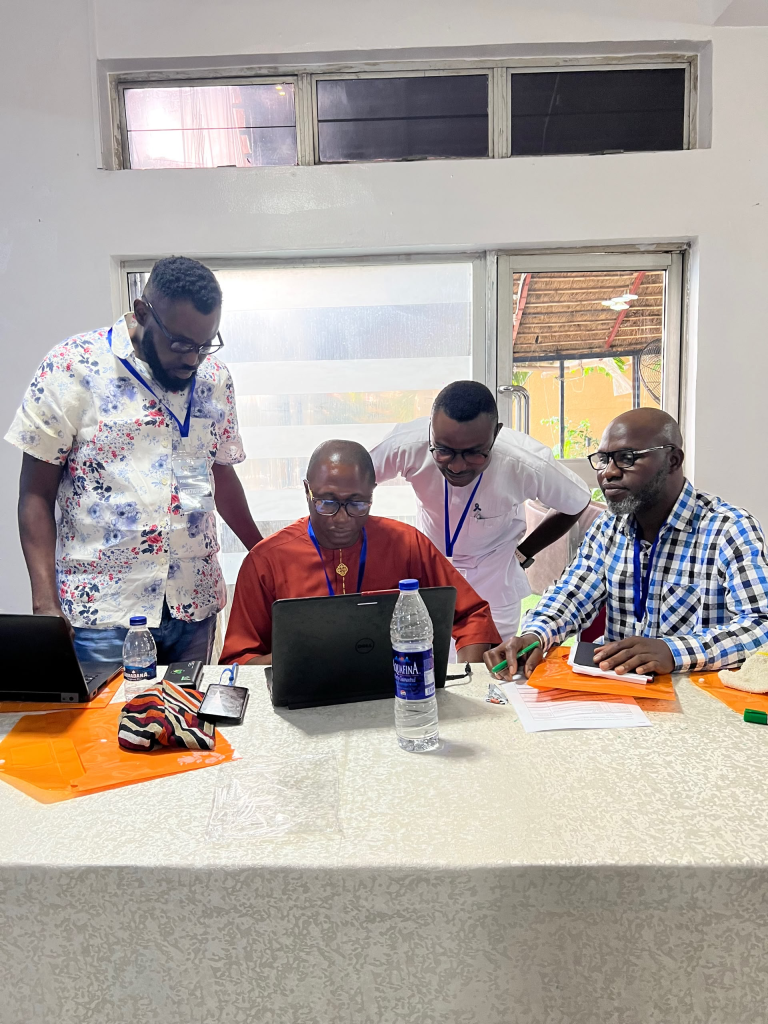
Working together during the session.
A note on confidentiality
Among the most important lessons for our community work is the protection of a person’s HIV or TB status. Health information is private. Nobody should be pressured with it, and nobody should lose access to care for reporting misconduct. Every service provider must understand that.
Our commitment
We take seriously our responsibility, as a community organisation, to make safeguarding real in the places where people live and seek care. This means training our teams, strengthening our reporting routes, and listening carefully to the communities we serve.
To our facilitators, partners at IHVN, ARFH and DFB, and everyone who contributed to the session: thank you. The people we serve deserve nothing less than professionalism, passion and protection.
Kids & Teens Resource Centre (K&TRC) is the Lead Community-Based Organisation for Ekiti and Ondo States under ARFH and DFB, sub-recipients to IHVN.