
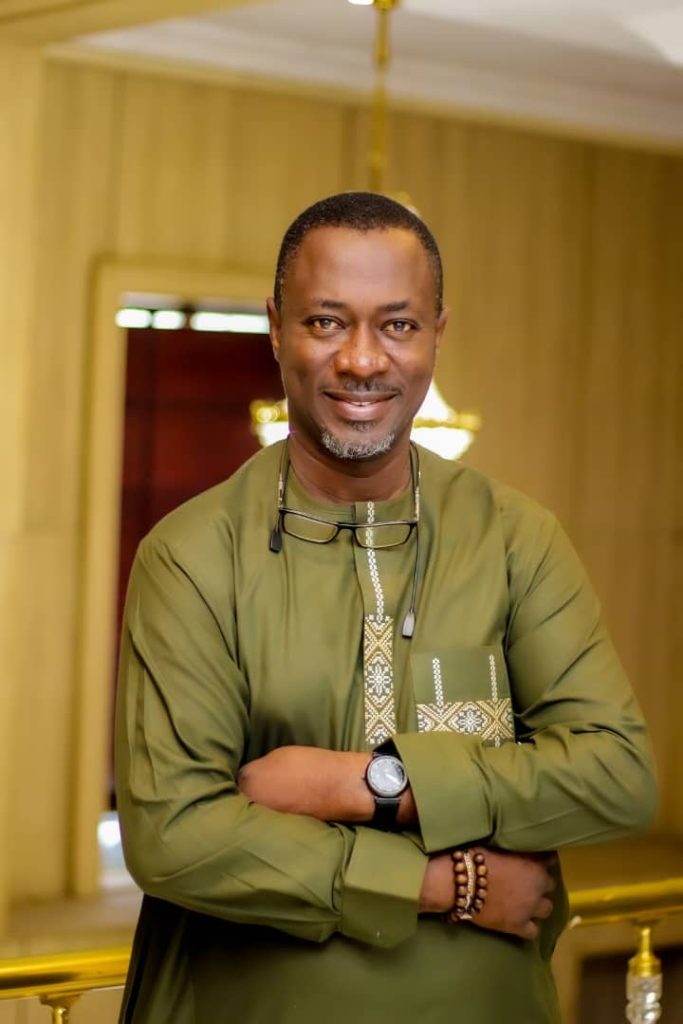
As the global community marks World Health Day 2026, a development specialist and founder of the Kids & Teens Resource Centre (K&TRC), Martin-Mary Fálànà, has praised the Ondo State Governor, Lucky Aiyedatiwa, for what he described as a determined and people-centred approach to healthcare delivery through various government interventions.
Speaking during a media chat with Topshots News, Fálànà noted that the present administration has shown measurable commitment to strengthening primary health centres, expanding maternal and child health programmes, and improving access to essential medicines across the state.
He singled out the recent revitalisation of rural clinics and the deployment of mobile health teams to hard-to-reach communities as examples of governance that prioritises the well-being of ordinary citizens.
A Call for Deeper Political Responsibility
However, the child rights and community development advocate quickly turned his attention to other elected officials, admonishing politicians at all levels to complement the governor’s efforts by stepping up their own responsibilities to their constituents.
Fálànà stressed that World Health Day should not be reduced to a ceremonial event or a photo opportunity. Instead, he argued, it must serve as a sober reminder that access to quality healthcare is a fundamental right, not a favour.
He expressed concern that many political office holders still mistake occasional visits to local clinics or the donation of malaria nets and painkillers as sufficient health intervention, when in fact deeper structural engagement is urgently required.
Moving Beyond Tokenism in Governance
Fálànà was emphatic that meaningful engagement with constituents must go far beyond the donation of palliatives or even economic empowerment activities, welcome as those may be. He observed that while food handouts and cash transfers have their place in emergency situations, they cannot replace a consistent, open-door policy that treats citizens as rights holders rather than passive beneficiaries.
“When a politician truly understands that the people own the mandate, they will not wait for World Health Day to remember the dilapidated health centre in their ward,” he said.
He called for a governance culture where elected representatives actively monitor the functionality of the primary healthcare centres, track the availability of drugs and staff, and hold health managers accountable for failures.
Practical Governance Expectations
To drive his point home, Fálànà offered a set of good governance tips for politicians who wish to honour the spirit of World Health Day every day of the year. He explained that good politicians are expected to serve as bridges between the government and the people, and that their core responsibilities to constituents typically include several key practices.
One such practice is active listening and accessibility, holding regular town halls, office hours, or community meetings to hear concerns, not just during election cycles, and being reachable through multiple channels such as email, phone calls, and local offices.
Another is transparent communication, which involves clearly explaining their votes, policy stances, and use of public funds, and having the courage to admit mistakes rather than hiding them.
Fálànà said politicians must address individual constituent issues promptly, whether the problem is a lost benefit, a visa delay, a broken water borehole, a school in disrepair, or a health centre without a nurse. Even when the matter falls outside their direct power, they should provide a clear answer and direct the citizen to the right authority.
K&TRC’s Role and Community Health Impact
Kids & Teens Resource Centre (K&TRC) has been proactively contributing to disease prevention through several initiatives such as Adolescent Reproductive Health Knowing Series, Adolescent and Young People Hub with the support of APIN Public Health Initiative, offering HIV and Sexually Transmitted Infections (STIs) services including counselling and testing.
K&TRC through the Global Fund is implementing the Community-Led Monitoring of the health facilities, where issues raised by community members are taking to appropriate government stakeholders at local and state levels and unaddressed issues at these levels are escalated to national level for immediate actions on issues on AIDS, Tuberculosis and Malaria.
On ensuring zero tolerance to Tuberculosis in Ondo State, K&TRC enjoys the support of the Ondo State Ministry of Health, Damien Foundation Belgium and Community Health Stakeholders including the efforts of the TB and Leprosy Supervisors, Community and Religious Leaders, and particularly Community Volunteers, whose effort is geared towards ensuring that anyone coughing in the communities are tested at no cost.
A Final Call to Action
As the world observes World Health Day 2026, he urged every politician in Ondo State and beyond to move beyond tokenism and embrace a model of governance where healthcare is not a campaign promise but a daily, accountable, and accessible reality for every citizen.