
By Folashade Bamigboye, Executive Director
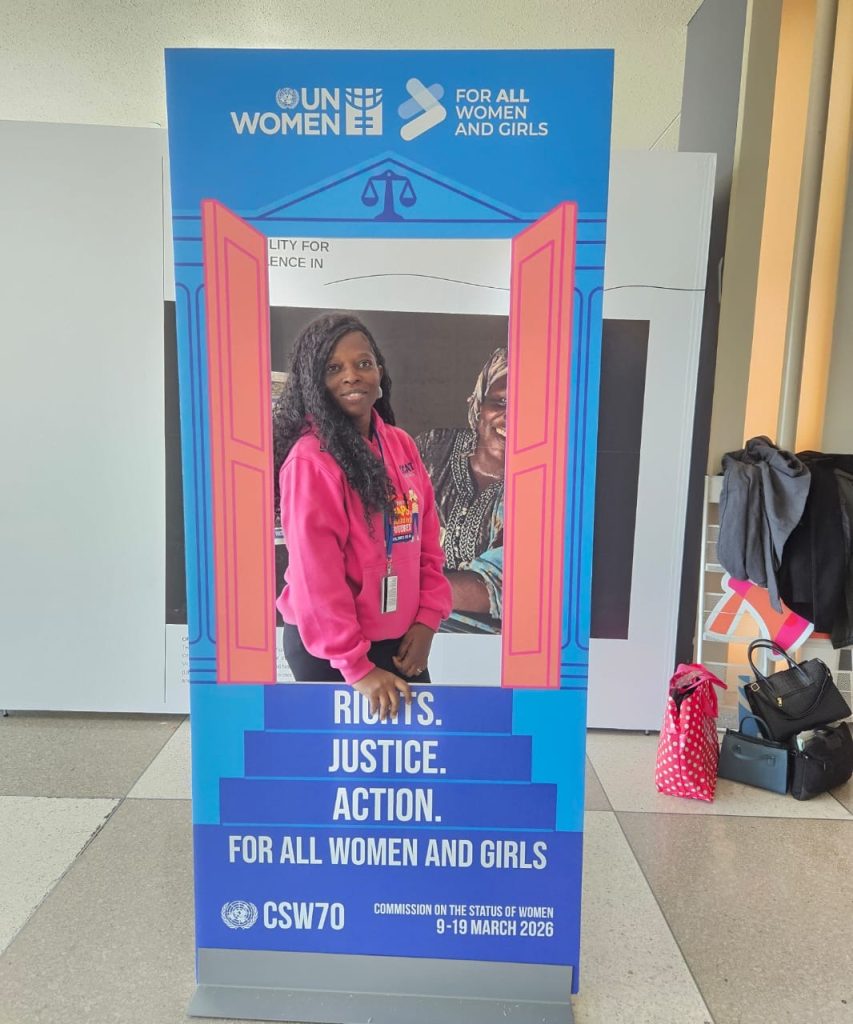
Walking into the United Nations Headquarters in New York for the 70th Session of the Commission on the Status of Women (CSW 70), I felt the weight of something bigger than a conference. It wasn’t just another global gathering, it was a moment where the future of women and girls was being actively negotiated.
For two weeks, this iconic space transformed into the epicenter of a global conversation, one centered on rights, safety, and justice. Every room carried urgency. Every voice carried purpose.
A Turning Point for Justice
As an expert participant representing the Nigerian development sector, I was not just present to observe. I was there to contribute, to ensure that the realities, challenges, and hopes of women and girls in Nigeria were reflected in conversations shaping global standards for equity.
The theme of this landmark session, “Ensuring and strengthening access to justice for all women and girls” could not have come at a more critical time.
From the opening day on March 9, 2026, there was a shared understanding in the room: this was not business as usual. The atmosphere was charged with urgency, a sense that transformation was not only needed, but overdue.
Across multiple sessions and strategic dialogues, including engagements with partners like the Ford Foundation and other organizations hosting parallel events, one issue remained at the center of my contributions, the implementation gap.
This gap is not theoretical. It is real. It is the distance between a law being signed in a capital city and that same law actually protecting a girl in a rural community.
That question, how do we close this gap? guided many of the conversations.
By the end of CSW 70, a powerful global consensus had emerged, creating a renewed mandate that directly informs our work in Nigeria:
• Dismantling structural barriers: A commitment to removing the hidden legal, social, and digital costs that prevent the most vulnerable from accessing justice.
• Reforming customary systems: Ensuring that informal justice systems, often the first point of contact for many African women, are equitable and gender-responsive.
• Securing full participation: Recognizing that justice cannot truly exist unless women are actively involved in drafting laws and represented within judicial systems.
Where Policy Meets Real Life
While the UN halls were filled with policy debates and high-level discussions, one experience brought everything into perspective.
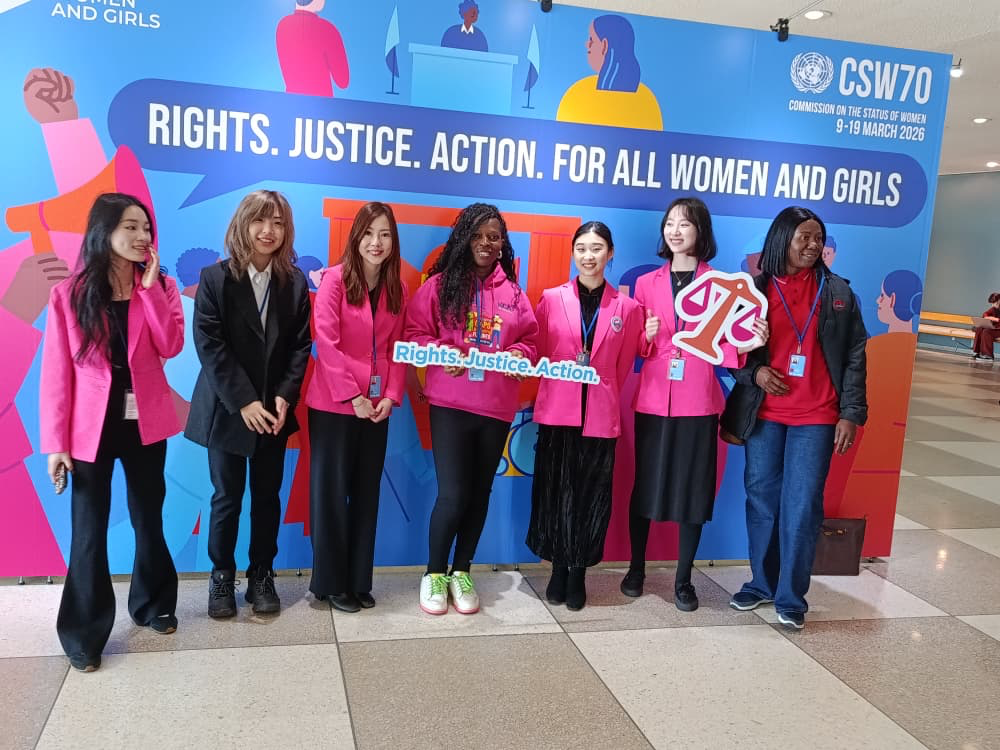
During an interactive session with teenage girls at the Bronx Health Science High School, I witnessed the true meaning of empowerment, not as a concept, but as a lived reality.
Inside the UN Library, these young girls were not waiting for change, they were embodying it.
As global leaders debated policies that would shape the future, these students were already preparing to lead it. They spoke about careers in STEM with confidence, stepping into fields where their voices will one day influence the very technologies that define justice systems.
But what struck me most was that their empowerment went beyond ambition, it was practical.
Watching them demonstrate CPR, the Heimlich maneuver, and situational awareness was a powerful reminder: a girl who is physically and mentally safe is a girl who can lead.
That moment reinforced a belief I carried throughout the week, one I shared in many conversations:
Justice is holistic.
It is the right to pursue a career in science.
It is the knowledge to save a life.
And it is the legal protection to live without fear.
Bringing the Vision Home
As I return to Nigeria, I do so with a renewed sense of purpose.
The outcomes of CSW 70 are not meant to remain within the walls of the United Nations. They are meant to be translated into real, measurable change, especially in communities where the need is greatest.
For our supporters and partners, this means one thing: our work is becoming even more intentional, more strategic, and more impact-driven.
Our roadmap for 2026 is clear:
• Accountability and Enforcement:
We will leverage the CSW 70 mandate to push for the full implementation of protective laws such as the VAPP Act, particularly at the grassroots level where enforcement is often weakest.
• Leadership through STEM:
We will continue to facilitate STEM education for girls, integrating it into every level of our advocacy to ensure that the next generation of Nigerian women are equipped for leadership and decision-making roles.
• Strategic Alliances:
We will deepen our collaborations with both global and local stakeholders, ensuring that our community-level interventions align with world-class standards and deliver lasting impact.
TheWorkAhead
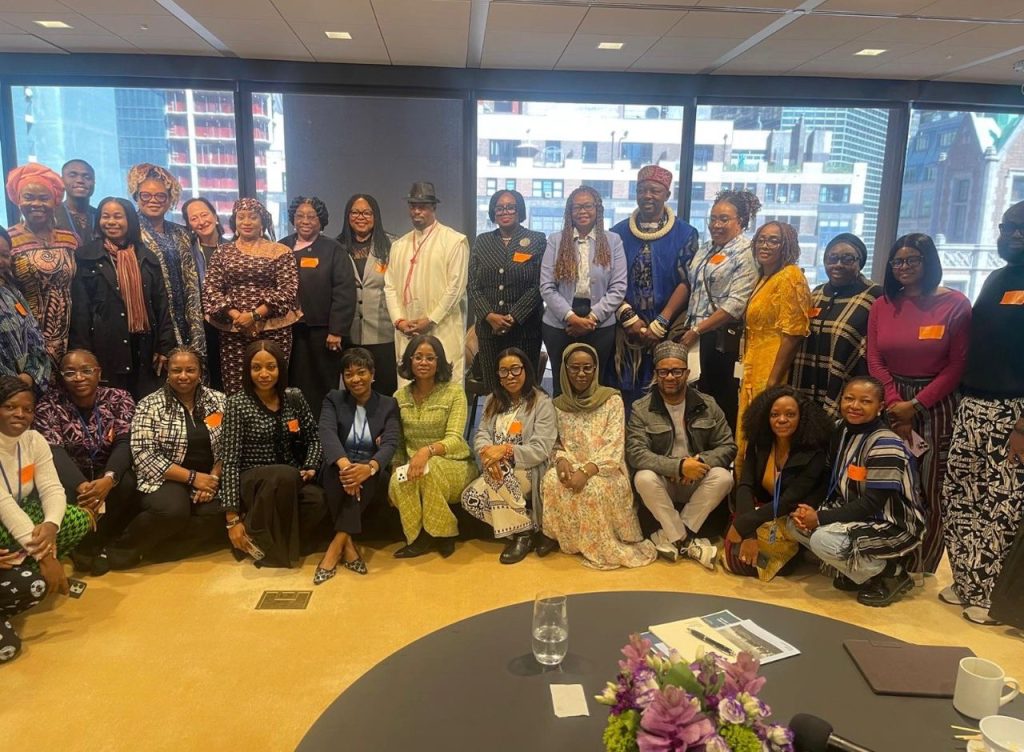
One of the most powerful takeaways from CSW 70 was this: our local struggles are not isolated, they are part of a global movement.
The energy in the UN meeting rooms was a reminder that change is not happening in silos. It is collective. It is connected. And it is possible.
We are not just participants in these conversations, we are architects of the solutions.
The blueprint for a more just world has already been drawn in New York.
Now, the real work begins.
And that work continues, one girl, one community, and one policy at a time.
Join Us
This journey does not end at CSW 70.
It continues in Nigeria. It continues in our communities. And it continues through partnerships and support from people like you.
As we work to turn global resolutions into local realities, your support ensures that the gaps in our justice system are not just identified, but permanently bridged.
Together, we can make justice accessible, inclusive, and real, for every woman and every girl.