In Ondo State, South-West Nigeria, pediatric HIV care has moved beyond health facilities into the community through the efforts of Kids & Teens Resource Centre (K&TRC). In partnership with APIN Public Health Initiatives Nigeria, and with funding from the United States Centers for Disease Control and Prevention (CDC) through the U.S. President’s Emergency Plan for AIDS Relief (PEPFAR), K&TRC is implementing the Community Case Management (CCM) Program to ensure continuity of care for children living with HIV.
Community Case Management in Action
K&TRC actively applies a community case management approach to ensure that over 923 children living with HIV across all 18 Local Government Areas (LGAs) in Ondo State receive adequate care and support within their communities.
A strong and effective collaboration (“handshake”) between health facility workers and community case managers has significantly improved:
- Case identification through family index testing and early infant diagnosis
- Retention in care
- Viral load suppression
- Optimal nutrition outcomes among pediatric clients through community nutrition assessment and food support
These outcomes represent the core components of the CCM program.
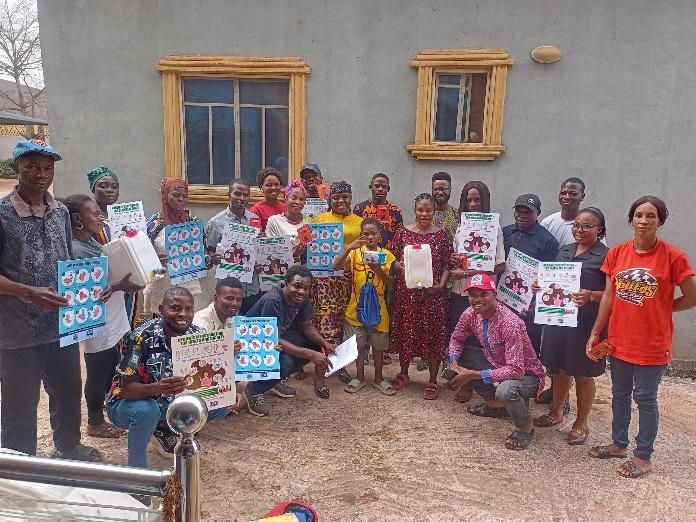
Delivery of Household WASH materials to caregivers in the community
Community case managers conduct regular household visits to monitor treatment adherence, including pill counting to assess adherence levels. They also provide escort services to health facilities for clients in hard-to-reach areas, particularly in the Southern Senatorial District and Northern Senatorial District, where riverine communities and security challenges pose additional barriers to care.
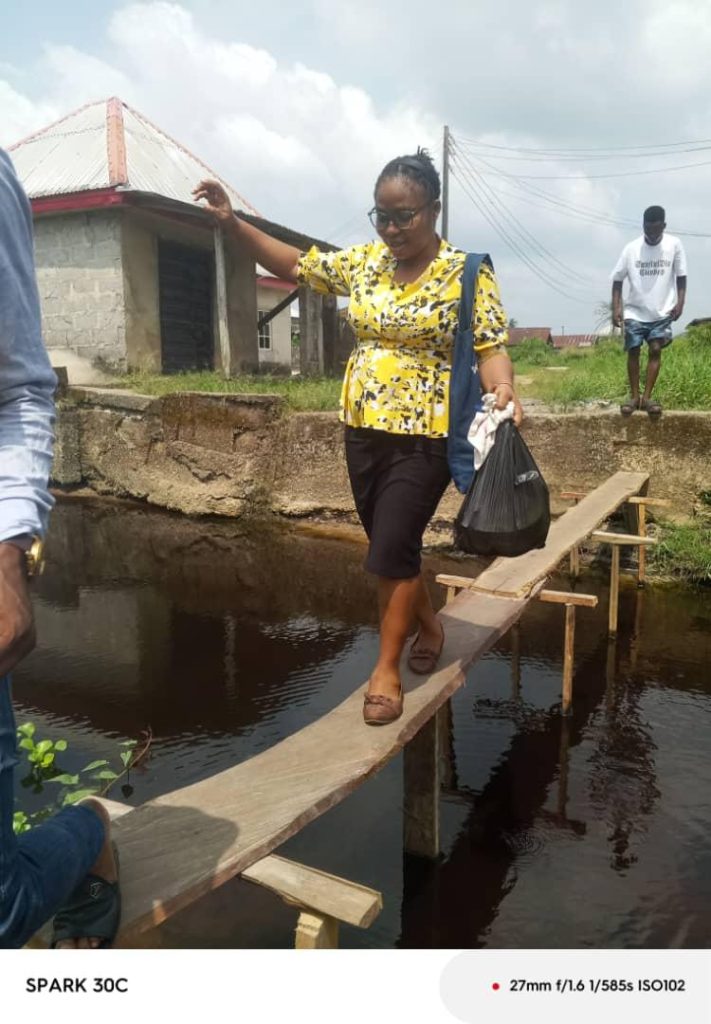
K&TRC Program Officer delivering consumables in hard to reach community
Numbers and Outcomes
Through the Community Case Management approach, 918 out of 923 children living with HIV in Ondo State were retained in care during the 2025 fiscal year, resulting in a 95% retention rate, in alignment with UNAIDS targets.
Additional achievements include:
- A 10% increase in pediatric viral suppression across the state
- 113 caregivers supported with financial literacy and economic empowerment, strengthening household stability and contributing to improved retention and viral suppression
- 20 children supported with school fees and educational materials through K&TRC’s Student Support Program
- 150 households without access to clean water provided with Veronica buckets and Water Guard following Water, Sanitation, and Hygiene (WASH) assessments
- 358 children and adolescents (ages 10–17yrs) mobilized to participate in Operation Triple Zero (OTZ) club activities at both community and facility levels
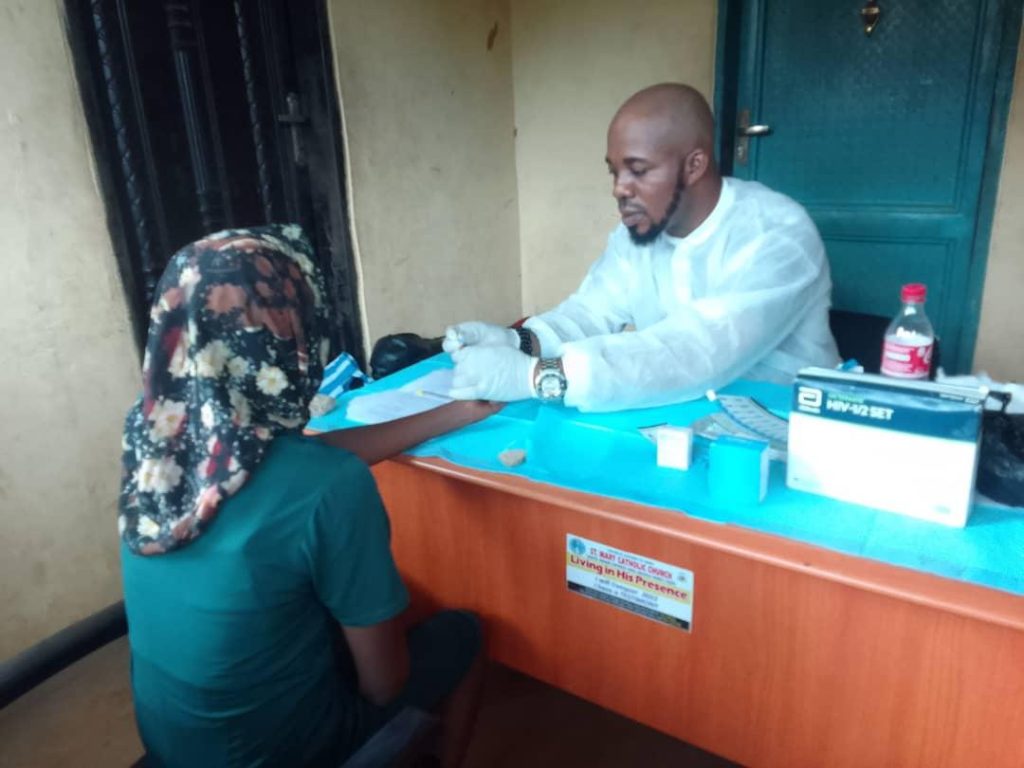
Community HIV Testing Service in Kajola Community, Odigbo LGA
The OTZ clubs serve as safe spaces and peer support groups for young people living with HIV, promoting the goals of zero missed appointments, zero missed medications, and zero viral load.
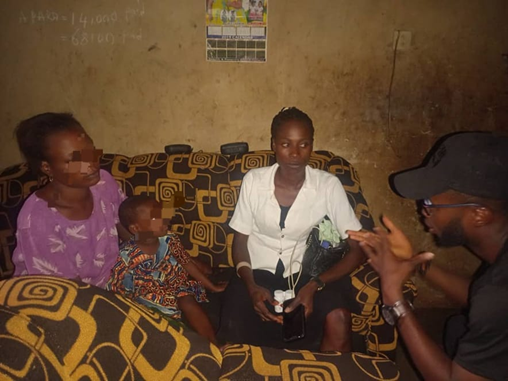
Joint community adherence counselling with case manager
Pitfalls and Bottlenecks
Despite these notable achievements, several challenges continue to affect the effective implementation of the CCM program in Ondo State.
Hard-to-reach riverine communities in the Southern Senatorial District, as well as communities facing security challenges in the Northern Senatorial District, limit full program coverage.
In addition, fear of stigma and challenges with HIV status disclosure remain significant barriers. Some caregivers decline consent for household visits, thereby limiting community-level follow-up and support.
Furthermore, the reduction in funding, particularly from the U.S. Government, has impacted complementary program components that promote household safety, education, and long-term stability.
Call for Sustainability
As a community-based organization implementing the Community Case Management Program in Ondo State, K&TRC calls on relevant state stakeholders to support the sustainability of this model.
The organization remains committed to working with government and partners to integrate community-based HIV interventions into state health and social welfare systems.
Only through sustained collaboration and system integration can Ondo State ensure an effective continuum of pediatric HIV prevention, treatment, care, and support at the community level.